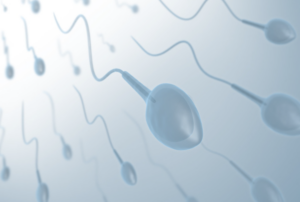
What is the Semen Microbiome – (& why does it matter?)
What is the semen microbiome? The semen microbiome is the composition of bacteria present in the seminal fluid and is primarily comprised of different types


PCOS is a very common condition, impacting around 10% of UK women. Many women don’t even know that they have PCOS, let alone what type they have and what they can do to alleviate their symptoms and optimise their health and wellbeing.
If you suspect that you have PCOS and want to take back control of your health, then we would strongly advise that you explore ScreenMe’s at-home PCOS Package. This includes:
So, what are the different types?
2. Insulin-resistant PCOS
3. Pill-induced PCOS
4. Hidden PCOS
If you want more specific advice on how you can manage your PCOS and understand your whole diet, then head over to our main site or Instagram!



What is the semen microbiome? The semen microbiome is the composition of bacteria present in the seminal fluid and is primarily comprised of different types

Episode Summary This week Jess has Pilar Manzanaro on the show. Pilar is a registered Nutritional Therapist and certified Functional Medicine Practitioner. Pilar focusses on each client

This year for Black History Month the theme is ‘Saluting Our Sisters’ — a theme which we at ScreenMe could not love more! Black History