The connection between pelvic health & the vaginal microbiome

Share this

Facebook
Twitter
WhatsApp
Email
  • High % of Lactobacillus [good bacteria].
  • Low bacterial diversity [number of different bacterial species].
  • Low % of pathogenic bacteria [bad bacteria].
  • Low % of Lactobacillus [good bacteria].
  • High bacterial diversity [number of different bacterial species].
  • High % of pathogenic bacteria [bad bacteria].
  1. INFECTION & INFLAMMATION

Lower % of Lactobacillus species promotes inflammation & is associated with higher infection risk. Continued inflammation in the vaginal environment is of course likely to have an impact on pelvic floor muscles, inc. the development of PID [pelvic inflammatory disease].

E.g. a 2023 study, found those with prolapse were most likely to have CST IV, which is characterised by low % of Lactobacillus & increased bacterial diversity.

2.. URINARY & VAGINAL INTERPLAY

Komesu et al. (2020) found there to be significant correlation between urinary microbiota & vaginal microbiota.

These therefore interact to influence both urinary and reproductive health – both of which are crucial to pelvic health.

3. % OF LACTOBACILLUS BACTERIA

Lower % of Lactobacillus in the vaginal microbiome have been linked to impaired pelvic floor muscles (Geng et al. 2020).

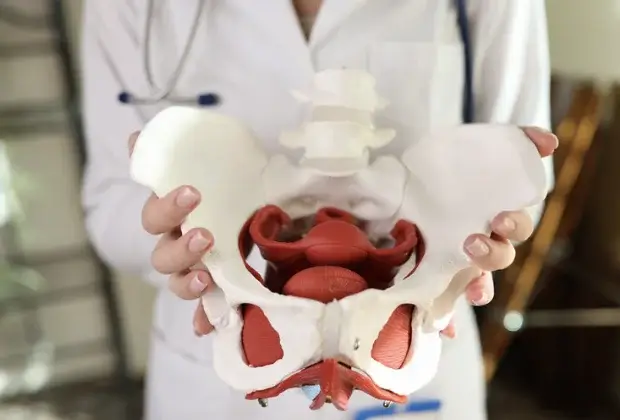
4. PELVIC ANATOMY

Changes to the anatomy via weakened pelvic floor muscles have been shown to negatively impact the vaginal microbiome.

Reduced pelvic floor function can result in a reduction in % of Lactobacillus present in the vaginal microbiome, and an increase in bacterial diversity [both symptoms of vaginal dsybiosis].

There are multiple ways in which pelvic health and vaginal microbiomes influence & are influenced by each other.

This relationship is very complex, & still requires much research, however it is not unreasonable to assume that by optimising these interacting areas, you will reap the health and wellness benefits throughout your whole body!

See also  4 ways your vaginal health could be limiting your fertility

Leave a Reply

Your email address will not be published. Required fields are marked *

Share

Facebook
Twitter
WhatsApp
Email

Our Suggestion

Related Blogs

The copper coil’s impact on vaginal health

NEW ARTICLE SUMMARY: Copper intrauterine device increases vaginal concentrations of inflammatory anaerobes and depletes lactobacilli compared to hormonal options in a randomized trial Published: January

Early Menopause with Jade Secker

This week on the podcast, Jess welcomes the wonderful Jade Secker on to the show. Jade so bravely shares her personal health journey, which started

Comments

⤷ The connection between pelvic health & the vaginal microbiome

Leave a Reply

Your email address will not be published. Required fields are marked *